
Pre & Post-Operative Physiotherapy in Paraparaumu
Physiotherapy before and after surgery significantly improves outcomes. Whether you are preparing for a joint replacement, a reconstruction, or another procedure, or you are recovering from one, Limber Physio offers expert, personalised care throughout
Pre-operative physiotherapy (prehab) builds strength, mobility, and body awareness before surgery, which research consistently shows leads to faster recovery and better results post-operatively. Bart will work with your surgical team's timeline and help you arrive at your procedure in the best possible condition.
Post-operative rehabilitation is where careful, stage-appropriate physiotherapy makes the biggest difference. Bart will work within the protocols set by your surgeon while tailoring the programme to your specific goals, lifestyle, and progress.
What Bart Treats | Pre & Post Surgery
• Knee replacement — pre and post-op
• Hip replacement — pre and post-op
• ACL reconstruction recovery
• Rotator cuff repair recovery
• Spinal surgery recovery
• Ankle reconstruction
• General joint surgery
Clinical Approach
Bart works collaboratively with surgeons and GPs, communicating openly about your progress and any concerns. He can refer for imaging as needed and coordinates with your surgical team to ensure your rehab aligns with their protocols.
Frequently Asked Questions
Q: When should I start physiotherapy before surgery?
A: Ideally 4–8 weeks before your operation, though even 1–2 weeks of focused prehab is beneficial. The sooner you start, the better prepared you will be.
Q: How soon after surgery can I start physio?
A: This depends on the surgery. Bart will follow your surgeon's guidelines and begin rehabilitation at the appropriate time, often within days for some procedures.
Q: Can Bart communicate with my surgeon?
A: Yes. Bart works collaboratively with surgical teams and is happy to liaise directly with your surgeon throughout your care.
Book your pre or post-surgical physiotherapy consultation at Limber Physio in Paraparaumu.
Bart de Vries is a physiotherapist with over 15 years of clinical experience across elite sport, dance, and musculoskeletal practice. He holds a Bachelor of Physiotherapy from the University of Otago and a Certificate in Mechanical Diagnosis and Therapy (MDT) from the McKenzie Institute. Bart practises at Limber Physio, located at Paraparaumu Beach Golf Club on the Kapiti Coast.
Learn more
-
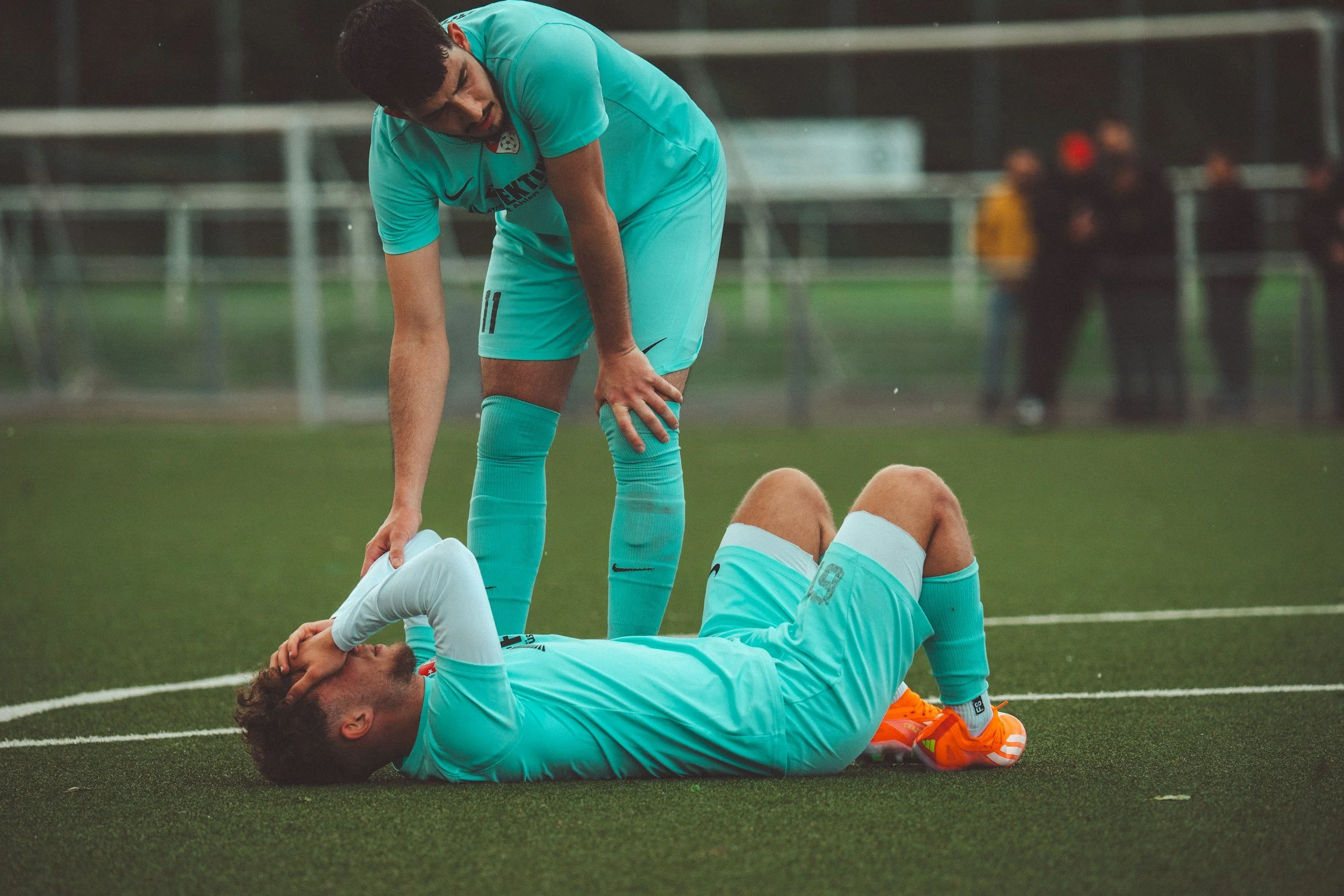
Sports Injuries
Getting the right diagnosis early makes a big difference to recovery time. Find out more about how I treat sports injuries, or get in touch to book an assessment.
-

Low Back Pain
I use the McKenzie Method (MDT) as a foundation of my assessment for back pain. Find out more about how I treat, or read about sciatica and back pain if that sounds familiar.
-
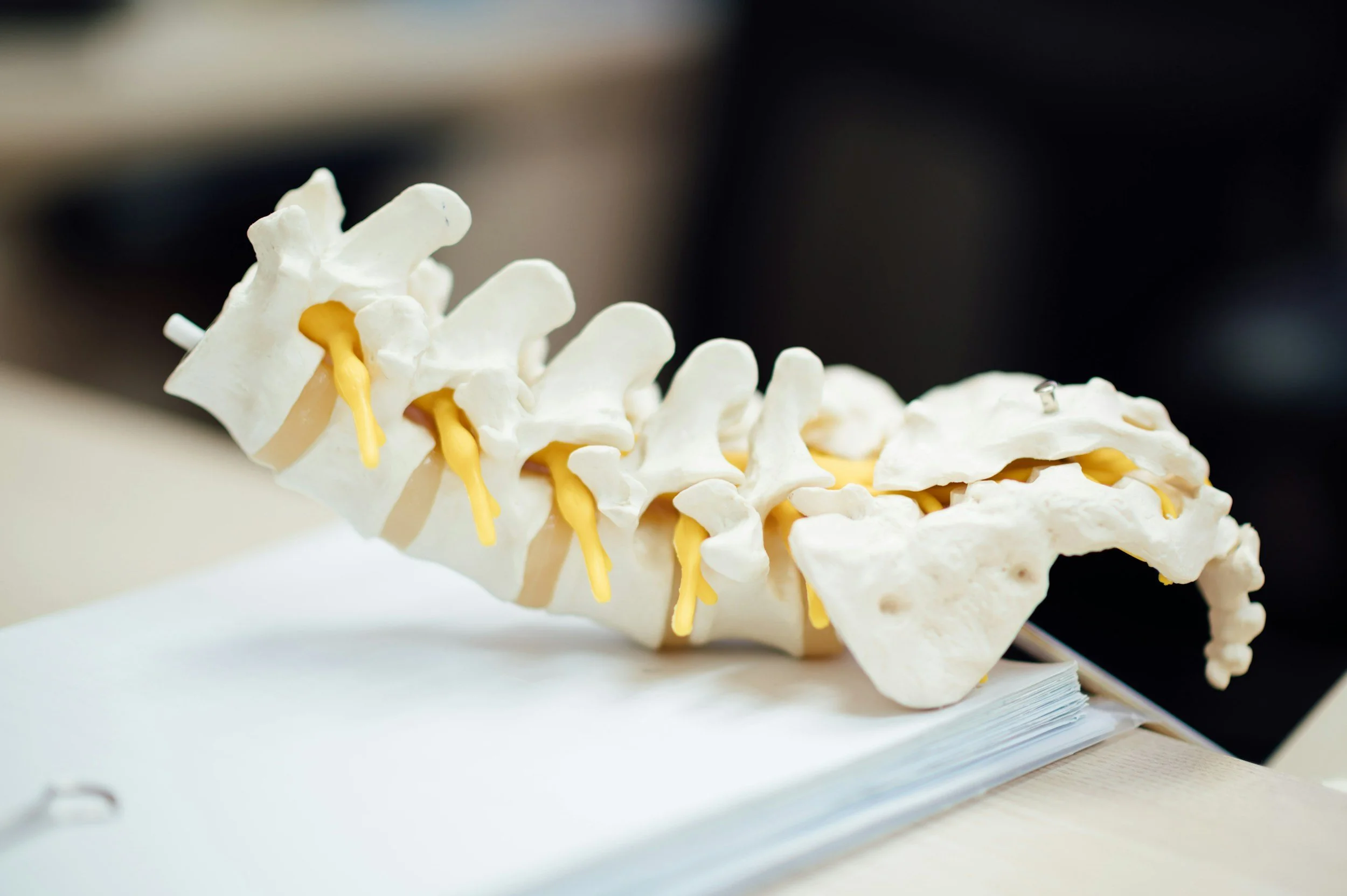
Sciatica
"Sciatica is one of the conditions I see most often, and the McKenzie Method (MDT) is central to how I assess and treat it. If you're unsure whether your pain is sciatica or general low back pain, that's exactly what an assessment is for."
-
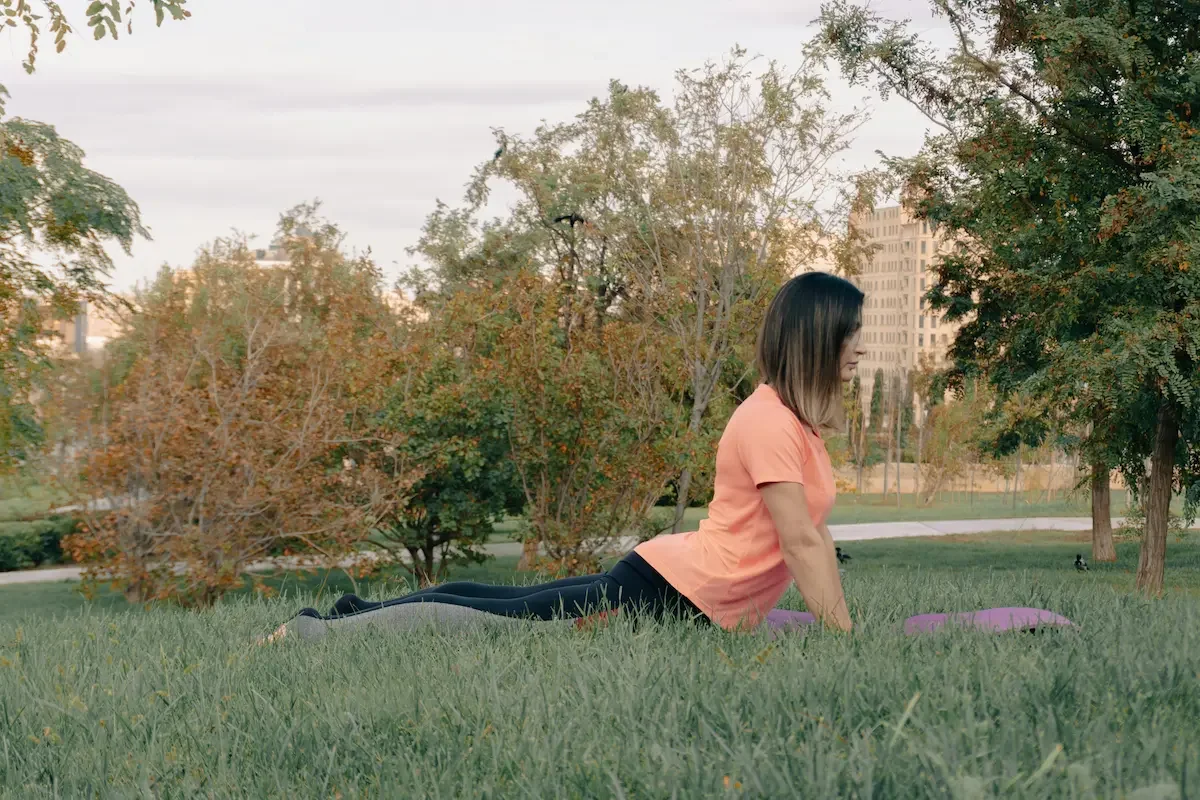
McKenzie / MDT
MDT is one of several approaches I use. Find out more about how I treat, or learn about how it applies specifically to low back pain and sciatica.
-

How I Treat
The conditions I see most often include low back pain, sciatica, and sports injuries. If you're not sure whether physiotherapy is right for your situation, get in touch and we can talk it through.
-
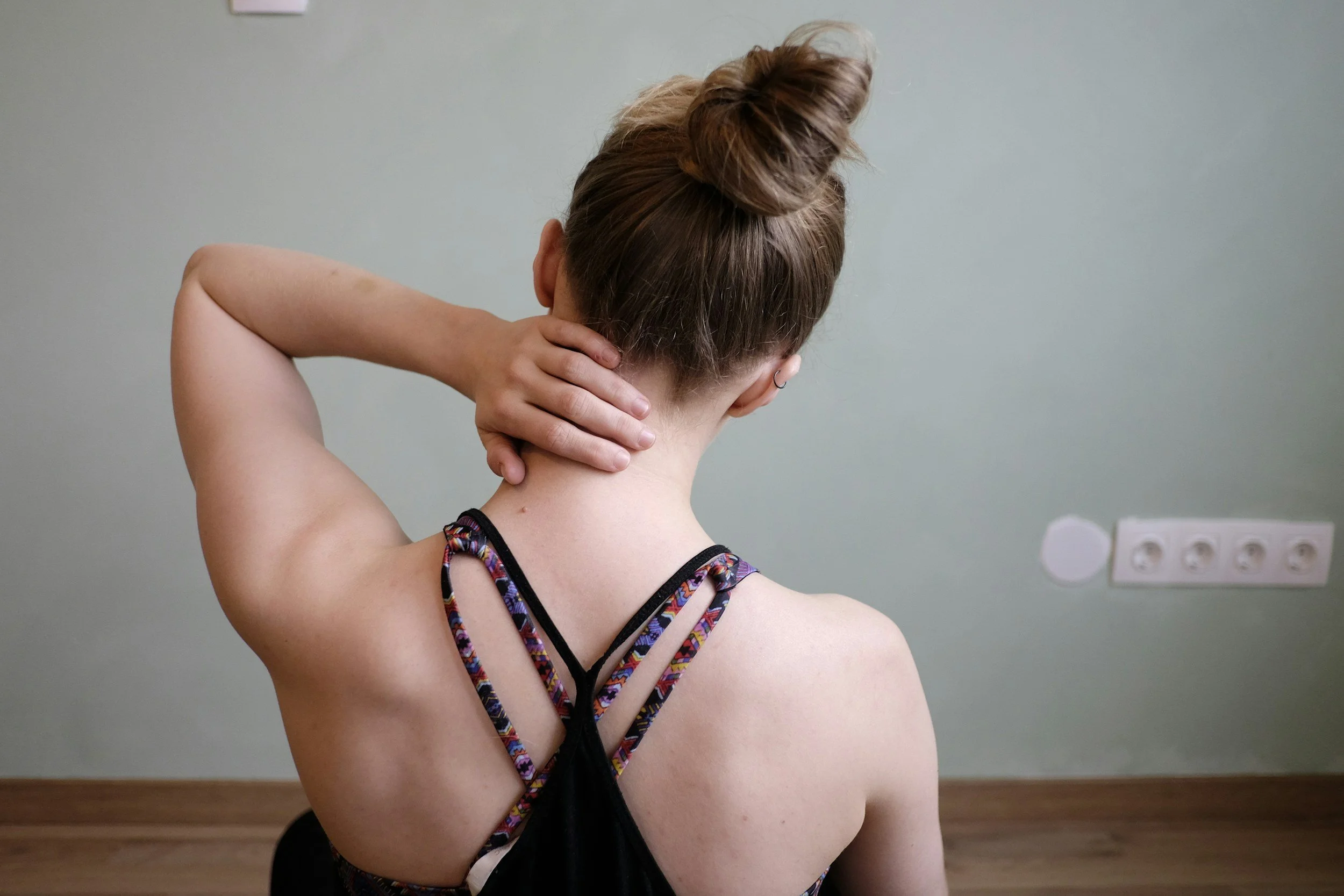
Neck and Shoulder Pain page
Neck and shoulder pain is often connected. If a desk setup is contributing to your pain, the office workers page has more on what to look for. Find out more about how I treat neck and shoulder conditions.
-

Office Workers
Desk-related pain most commonly shows up in the neck, shoulders, and lower back. If yours has progressed beyond posture and ergonomics, read more about neck and shoulder pain or low back pain treatment, or find out about how I treat these conditions.