
Frequently Asked Questions
Q:Where is the clinic?
A: Limber Physio is located Kapiti at the Paraparaumu Beach Golf Club.
376 Kapiti Road, Paraparaumu Beach.
Look for the golf course sign on Kapiti Road and park in the free car park. Walk to the beach end of the car park, cross the bridge, and follow the path up to the clubhouse. Head to the cafe, Bart will meet you there.
If you have a mobility concern, Google Maps for the golf course will navigate you to the accessible entrance near the clubhouse with disabled parking available.

Q: Is the clinic at Paraparaumu Beach Golf Club open to non-golfers?
A: Yes. Limber Physio is located at Paraparaumu Beach Golf Club, but the clinic is open to everyone. You don't need to be a golfer or a club member to book an appointment. The PBGC location was chosen for its setting and accessibility, not to limit the patient base. Patients come from across the Kapiti Coast and Wellington region for assessment and treatment of back pain and other musculoskeletal conditions.
Q: What should I expect at my first appointment?
A: Your initial appointment is up to 60 minutes. Bart will start with a detailed conversation about your pain, history, and goals. He will then assess how you move through a series of targeted tests to reach a clear diagnosis. You will generally receive treatment in the same session, followed by re-assessment against your starting baselines so you can see what has changed. You will leave with a clear plan, exercises, advice, and an understanding of what is going on.
Q: What should I wear to my appointment?
A: Wear activewear you can move freely in and have the ability to expose the area of pain for Bart to assess and treat if needed.
Q: How is Limber Physio Kapiti different from other physio clinics on the Kapiti Coast?
A: The Limber clinic operates as a boutique, high-trust practice, not a volume model.
Limber Physio is a practice with a special interest in low back pain, using the McKenzie MDT framework as well as other diagnostic and treatments tools Bart has accumulated over his 15+ years of experience across elite sport, dance, complex clinical cases and ongoing study.
The goal is for patients to understand their body, develop independence, and not need ongoing appointments for their own sake. Bart's dual background in clinical physiotherapy and workplace ergonomics (through Limber Desks) also means he brings a broader perspective to posture-related and desk-related pain.
Q: What is MDT / McKenzie Therapy and how does it help back pain?
A: MDT (Mechanical Diagnosis and Therapy), commonly known as McKenzie Therapy, is a structured, evidence-based system for diagnosing and treating back pain, neck pain, and musculoskeletal conditions. It uses a systematic series of questions and movement tests to identify the specific mechanical pattern driving your pain. Once identified, most patients can be given targeted treatment in clinic and exercises they perform at home, which means fewer appointments and greater independence. Bart is certified in MDT from the McKenzie Institute, making him one of a small number of certified MDT physiotherapists on the Kapiti Coast.
Rather than treating all back pain the same way, MDT identifies your individual mechanical pattern, whether your pain centralises, improves, or worsens with certain movements, and uses that information to guide treatment. MDT is particularly effective for disc-related pain, referred leg pain, and chronic low back pain that hasn't responded to other treatment.
Q: How long does physiotherapy take for low back pain?
A: Most people with acute low back pain see significant improvement within 2–6 appointments. Chronic or complex back pain may take longer, but Bart will give you a clear timeline at your first appointment. Progress is monitored against specific baselines at every session so you can see what is changing.
At Limber Physio, the aim is always to reduce your dependence on treatment as quickly as possible. You will be given tools and strategies from the first session so that you are actively involved in your recovery, not just a passive recipient of hands-on care.
Q: Can physiotherapy help if I've had back pain for years?
A: Yes. Chronic back pain, pain lasting more than three months, can respond well to physiotherapy, particularly when the treatment addresses the underlying mechanical and lifestyle factors rather than symptoms alone. Many people with long-standing back pain have never had a thorough mechanical assessment. That assessment alone can be clarifying.
Physiotherapy for chronic back pain at Limber Physio typically combines a thorough assessment, targeted exercises, load management advice, and education about how chronic pain works, lifestyle and contextual factors. Progress with chronic pain is often slower than with acute pain, but sustained improvement is a realistic goal for most people.
Q: What's the difference between ACC and private physio at Limber Physio?
A: ACC-funded physiotherapy covers treatment for injuries that have an identifiable accident cause, a fall, a sports injury, a workplace incident. If your back pain started following an accident, you are likely eligible for ACC cover, which significantly reduces your out-of-pocket cost per session. Bart can help you lodge a claim at your first appointment if one hasn't been opened already.
Private physiotherapy is for conditions that aren't covered by ACC, degenerative back pain, chronic pain without a clear accident cause, knee and hip arthritis, or general assessment and optimisation. Private sessions are charged at a standard rate. Both ACC and private patients receive the same quality of assessment and care at Limber Physio. You can find fees here.
Q: Can Bart refer me for an MRI, X-ray or ultrasound?
A: Yes. Bart can refer directly for X-ray and ultrasound scans. For MRI, a specialist referral is required, Bart can provide this. He can also refer for steroid injections where appropriate. You do not need to go back to your GP to access these investigations.
If Bart's assessment suggests that imaging would meaningfully change the diagnosis or treatment plan, he will coordinate with your GP or a specialist to arrange this.
It is worth noting that imaging findings and pain often correlate poorly, particularly for back pain. An MRI showing disc changes does not always explain your symptoms, and Bart's assessment is focused on what your spine does functionally, not just what it looks like on a scan.
Q: Do you treat golfers? What golf injuries do you see?
A: Yes. Given the clinic's location at Paraparaumu Beach Golf Club, Bart sees a number of golfers and has a particular interest in golf-related musculoskeletal conditions. Common presentations include low back pain related to rotational load and swing mechanics, hip dysfunction that affects control and power transfer, wrist and elbow tendon injuries, and shoulder pain.
Assessment for golfers at Limber Physio considers the demands of the golf swing alongside the clinical picture. Where relevant, Bart can liaise with the PBGC professional or coaching staff to ensure that rehabilitation and swing mechanics are aligned.
Q: Does Limber Physio offer telehealth appointments?
A: Telehealth is not currently offered but is planned for the future, initially focused on back pain consultations. Contact Bart if you are interested in this bart@limberphysio.co.nz
Q: Can Bart treat children and young athletes?
A: Yes. Bart treats patients of all ages. Young and developing athletes have specific physiological considerations and Bart is experienced in managing their injuries appropriately.
Q: Do you accept Southern Cross or other health insurance?
A: Yes. Limber Physio accepts patients with health insurance including Southern Cross and other providers. You will need to pay for your appointment at the time and Bart can provide the documentation needed for your claim.
Learn more
-
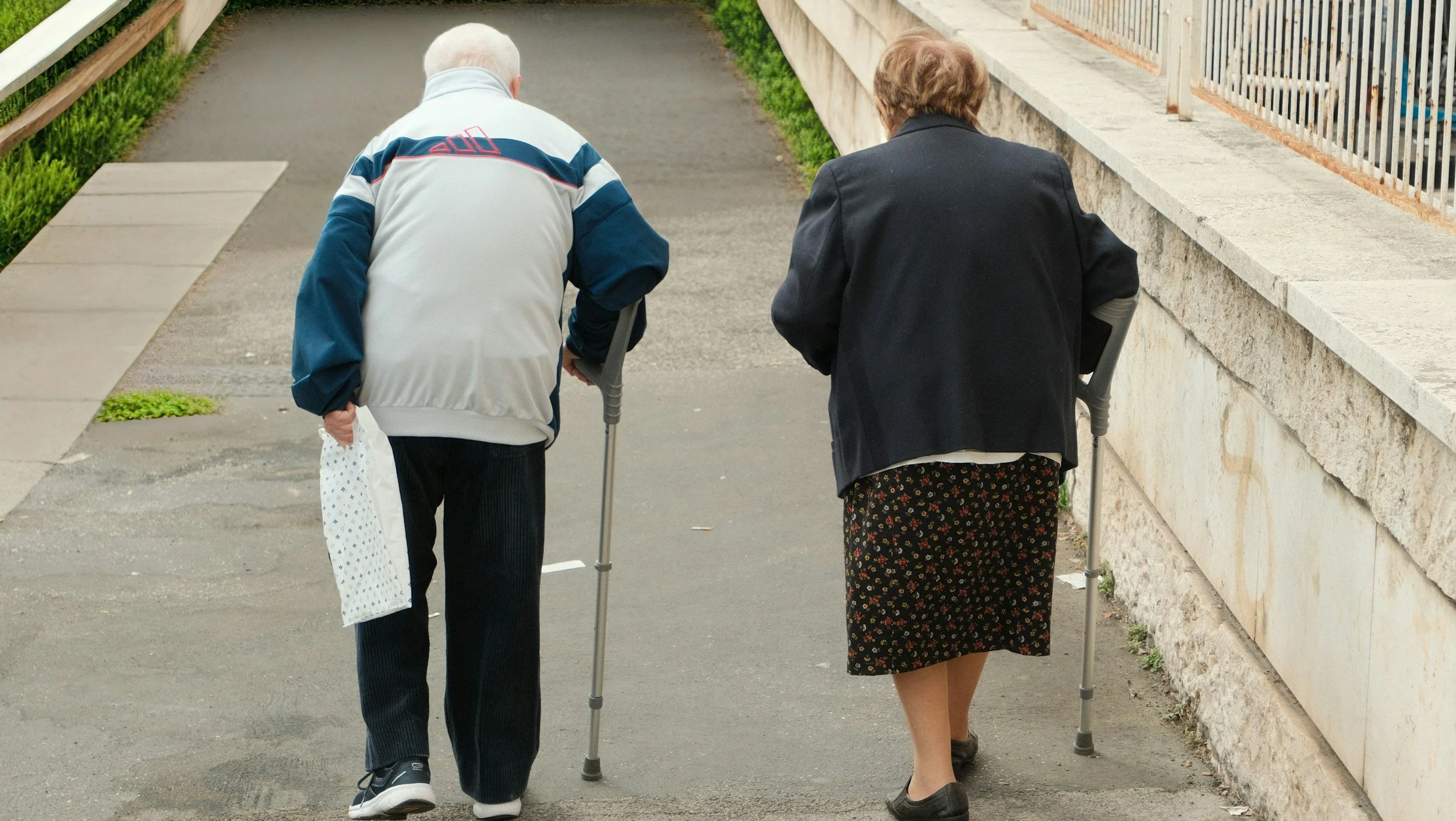
Pre and post operative knee and hip replacements
Good preparation and a structured recovery plan make a real difference to surgical outcomes. Find out more about how I treat, or get in touch to talk through what to expect before and after your procedure.
-

Low Back Pain
I use the McKenzie Method (MDT) as a foundation of my assessment for back pain. Find out more about how I treat, or read about sciatica and back pain if that sounds familiar.
-
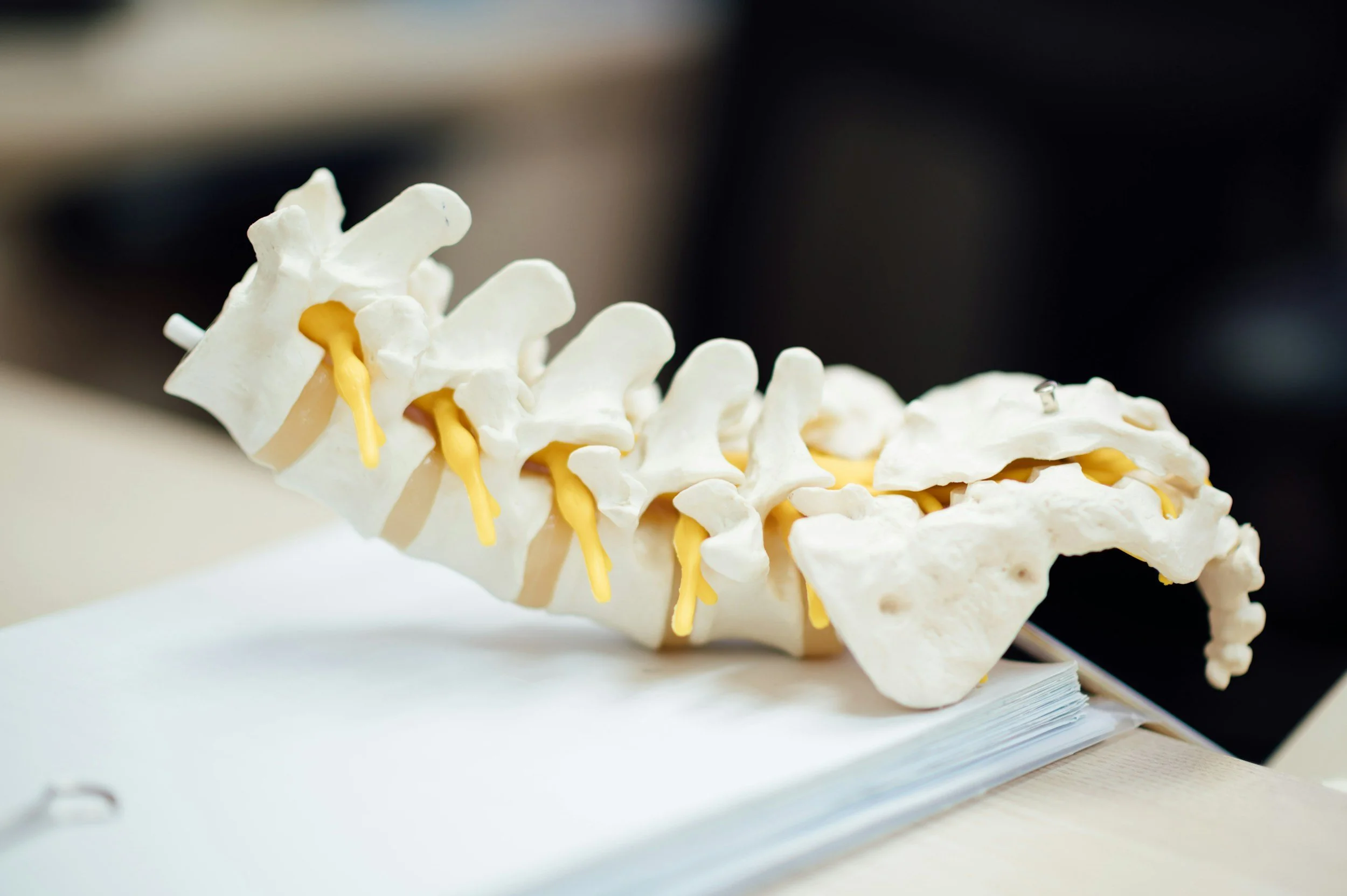
Sciatica
"Sciatica is one of the conditions I see most often, and the McKenzie Method (MDT) is central to how I assess and treat it. If you're unsure whether your pain is sciatica or general low back pain, that's exactly what an assessment is for."
-
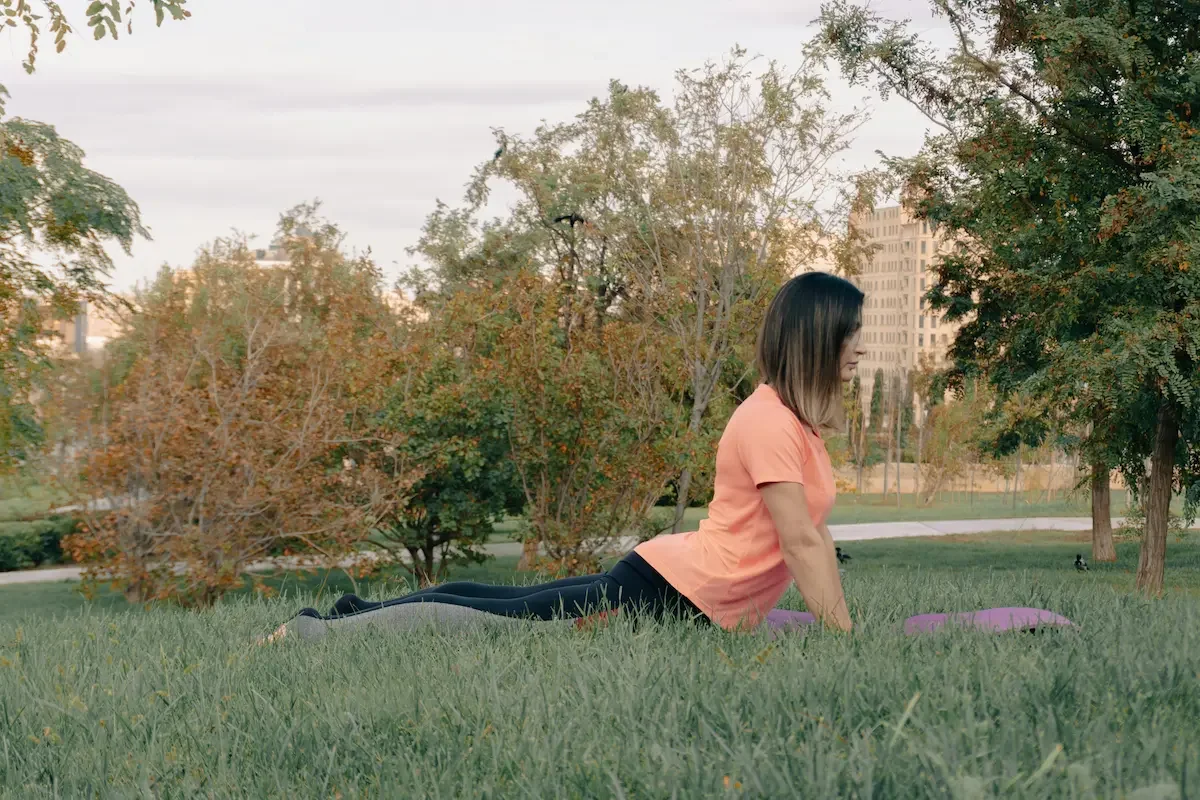
McKenzie / MDT
MDT is one of several approaches I use. Find out more about how I treat, or learn about how it applies specifically to low back pain and sciatica.
-

How I Treat
The conditions I see most often include low back pain, sciatica, and sports injuries. If you're not sure whether physiotherapy is right for your situation, get in touch and we can talk it through.
-
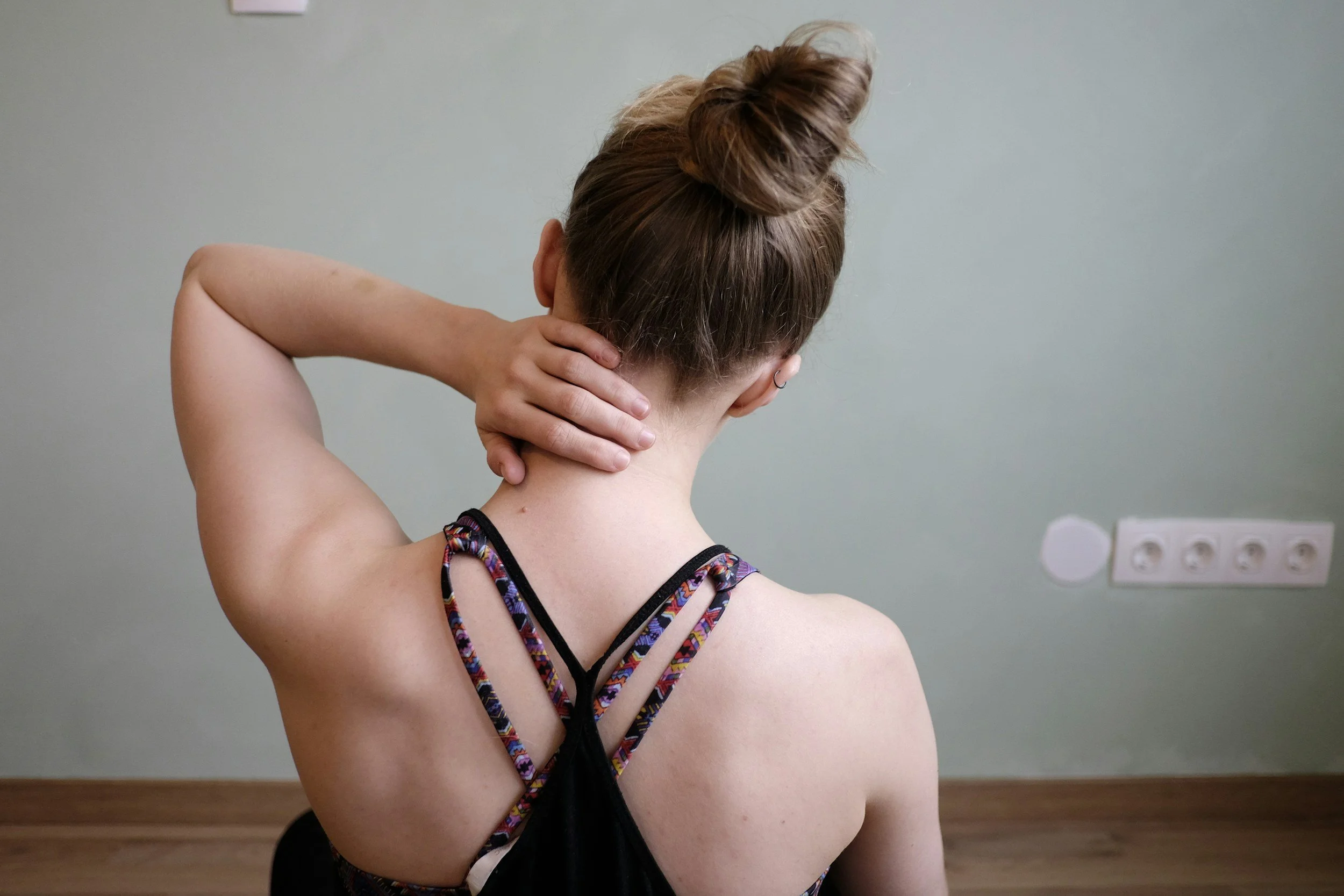
Neck and Shoulder Pain page
Neck and shoulder pain is often connected. If a desk setup is contributing to your pain, the office workers page has more on what to look for. Find out more about how I treat neck and shoulder conditions.
-

Office Workers
Desk-related pain most commonly shows up in the neck, shoulders, and lower back. If yours has progressed beyond posture and ergonomics, read more about neck and shoulder pain or low back pain treatment, or find out about how I treat these conditions.
-
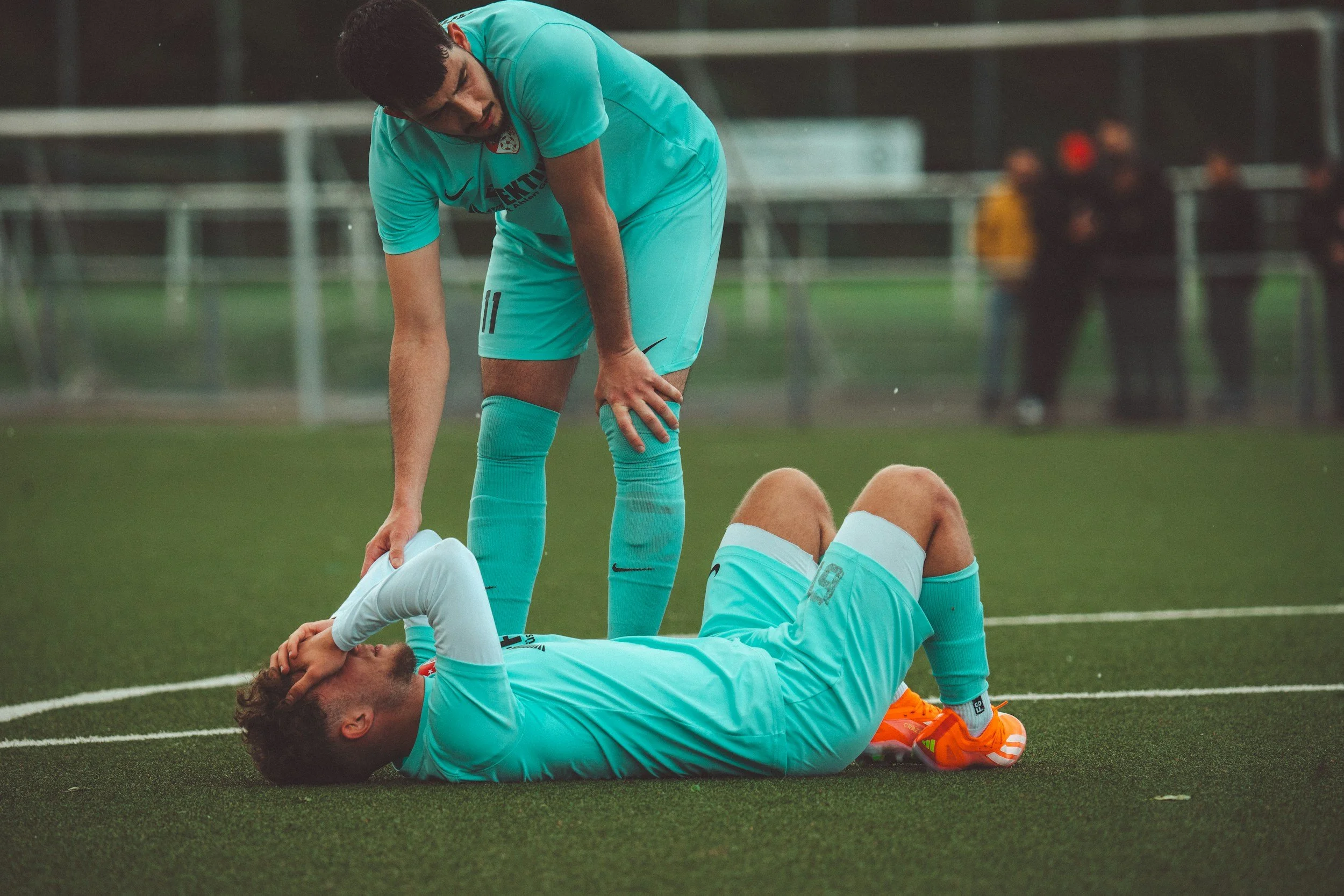
Sport Injuries
Getting the right diagnosis early makes a big difference to recovery time. Find out more about how I treat sports injuries, or get in touch to book an assessment.